
Stress is a common part of everyday life, but prolonged or unmanaged stress can affect both mental and physical well-being. Work pressure, family responsibilities, financial difficulties, relationship problems, and lifestyle changes are some common reasons people experience stress. While occasional stress is a normal response to challenging situations, continuous stress may affect sleep, mood, concentration, energy levels, and overall health.
Many people ignore ongoing stress until it starts interfering with their daily activities and relationships. Understanding the causes and symptoms of stress is important for maintaining a healthy lifestyle. If stress becomes difficult to manage, consulting a qualified Psychiatrist in Panchkula can help you understand your symptoms and explore appropriate treatment options.
At Vishwas Hospital, individuals can enquire about available mental healthcare services and professional guidance for mental health concerns.
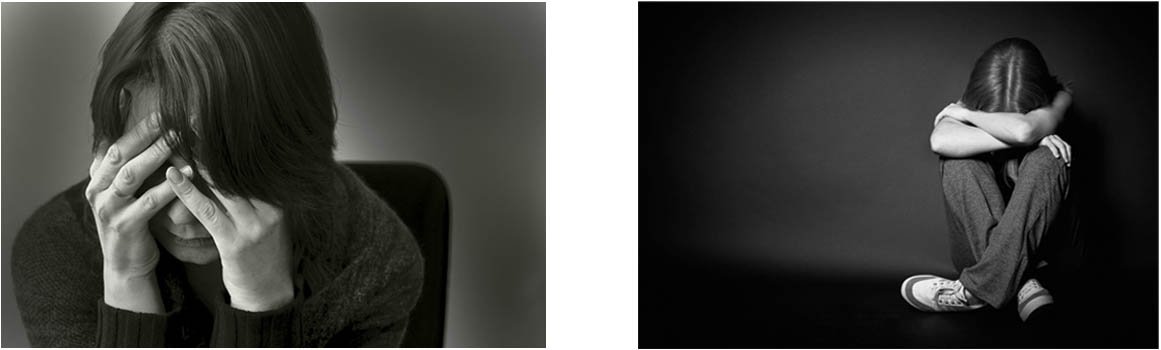
What Is Stress and Why Does It Occur?
Stress is the body’s natural response to situations that create physical, emotional, or psychological pressure. It can develop when a person feels overwhelmed, uncertain, or unable to manage particular challenges.
Common causes of stress include:
- Work-related pressure and professional responsibilities.
- Financial difficulties and personal problems.
- Family conflicts and relationship issues.
- Academic pressure and examination anxiety.
- Major life changes or unexpected events.
- Health-related concerns.
- Lack of sleep and an unhealthy lifestyle.
Although short-term stress may sometimes motivate people to complete tasks, persistent stress can negatively affect emotional and physical health.
How Does Stress Affect Mental Health?
Long-term stress can influence how a person thinks, feels, and behaves. When stress becomes overwhelming, it may contribute to different mental health concerns.
1. Anxiety and Constant Worry
Continuous stress can make individuals feel worried, restless, or nervous, even when there is no immediate danger. Some people may experience excessive thinking, difficulty relaxing, and fear about future situations.
If anxiety starts interfering with everyday activities, seeking guidance from a qualified mental health professional can be helpful.
2. Depression and Emotional Changes
Prolonged stress may contribute to emotional exhaustion and increase vulnerability to depression, particularly when combined with other risk factors.
Common symptoms may include:
- Persistent sadness or low mood.
- Loss of interest in enjoyable activities.
- Feelings of hopelessness.
- Reduced motivation.
- Changes in sleep and appetite.
- Difficulty concentrating.
If these symptoms persist, consulting an experienced Psychiatrist in Panchkula can help with proper evaluation and treatment planning.
3. Difficulty Concentrating
Excessive stress can affect memory, attention, and decision-making abilities. People may find it difficult to focus on work, studies, or everyday responsibilities.
4. Irritability and Mood Swings
People experiencing prolonged stress may become easily frustrated, emotionally sensitive, or impatient. These changes can sometimes affect family life and personal relationships.
5. Sleep Problems
Stress can make it difficult to fall asleep or stay asleep throughout the night. Poor sleep may further increase stress, creating a cycle that affects overall well-being.
How Does Stress Affect Physical Health?
Stress does not only affect emotional well-being. It can also influence several physical functions in the body.
1. Headaches and Muscle Tension
Stress may cause muscle tightness, particularly around the neck, shoulders, and head. This can contribute to tension headaches and physical discomfort.
2. Digestive Problems
Stress can affect the digestive system and may contribute to symptoms such as stomach discomfort, nausea, constipation, or diarrhoea.
3. Increased Heart Rate
During stressful situations, the body releases stress hormones that can temporarily increase heart rate and blood pressure. Persistent stress may also contribute to cardiovascular risk factors.
4. Fatigue and Low Energy
Constant mental pressure can leave individuals feeling physically and emotionally exhausted. Even after resting, some people may continue to experience low energy.
5. Changes in Appetite
Stress can influence eating habits. Some individuals may eat more than usual, while others may experience reduced appetite.
6. Reduced Immune Function
Long-lasting stress may influence immune system functioning, potentially affecting the body’s ability to respond to infections and other health challenges.
Common Signs That Your Stress Levels May Be Too High
Recorgnising the early signs of excessive stress can help you take appropriate steps towards better health.
Watch for the following symptoms:
- Constant worrying or overthinking.
- Frequent headaches or body tension.
- Difficulty sleeping or disturbed sleep.
- Feeling tired throughout the day.
- Increased irritability or frustration.
- Difficulty concentrating on everyday tasks.
- Loss of interest in social activities.
- Changes in appetite.
- Feeling overwhelmed by minor challenges.
- Persistent sadness or emotional exhaustion.
If these symptoms continue or interfere with daily life, consider seeking professional medical advice.
When Should You Consult a Psychiatrist in Panchkula?
Many people try to manage stress independently, but sometimes professional support is necessary. It is important to recognise when stress begins affecting your mental health, physical well-being, or daily routine.
You should consider consulting a Psychiatrist in Panchkula if you experience:
- Persistent anxiety, excessive worrying, or panic attacks.
- Ongoing sadness or symptoms of depression.
- Regular sleep disturbances or insomnia.
- Difficulty managing emotions.
- Stress that interferes with work, studies, or relationships.
- Frequent unexplained physical symptoms associated with stress.
- Loss of interest in everyday activities.
- Emotional difficulties that do not improve with self-care.
A psychiatrist can assess your symptoms, identify possible underlying mental health conditions, and recommend suitable treatment based on your individual needs.
If you are searching online for a Psychiatrist near me, consider choosing a qualified mental health professional who offers appropriate evaluation, treatment guidance, and patient-centred care.
Effective Ways to Manage Stress Naturally
Developing healthy daily habits can help improve your ability to manage everyday stress.
1. Practice Regular Physical Activity
Walking, yoga, cycling, and other forms of exercise can help improve mood and support overall physical and mental well-being.
2. Maintain a Healthy Sleep Routine
Try to maintain consistent sleeping and waking times. Adequate sleep supports emotional balance, concentration, and overall health.
3. Eat a Balanced Diet
Include nutritious foods such as fruits, vegetables, whole grains, and protein-rich foods in your daily meals. Limit excessive caffeine consumption if it affects your sleep or anxiety.
4. Try Relaxation Techniques
Deep breathing, meditation, mindfulness, and relaxation exercises may help reduce feelings of tension and improve emotional balance.
5. Spend Time With Loved Ones
Talking with trusted friends and family members can provide emotional support and help you manage difficult situations.
6. Set Realistic Goals
Avoid taking on too many responsibilities at once. Break larger tasks into smaller, manageable steps to reduce unnecessary pressure.
7. Seek Professional Support
If stress continues despite lifestyle changes, professional mental healthcare can help identify the underlying issues and provide appropriate support.
How Can a Psychiatrist Help With Stress and Anxiety?
A psychiatrist is a qualified medical doctor specialising in mental health assessment, diagnosis, and treatment.
Depending on the symptoms and individual needs, psychiatric care may involve:
- Mental Health Assessment: Understanding symptoms, medical history, lifestyle, and possible stress triggers.
- Diagnosis: Identifying whether stress is associated with anxiety disorders, depression, sleep disorders, or other mental health conditions.
- Treatment Planning: Recommending suitable treatment options based on the individual’s condition.
- Medication Management: Prescribing medication when clinically appropriate and monitoring its effects.
- Counselling and Therapy Referrals: Recommending psychological therapies or other supportive interventions when needed.
- Follow-Up Care: Monitoring progress and adjusting the treatment plan according to individual needs.
If you are looking for a Psychiatrist near me for ongoing stress, anxiety, or emotional difficulties, a professional consultation can be a useful first step.
Why Consider Vishwas Hospital for Mental Healthcare in Panchkula?
Choosing an appropriate healthcare provider is an important part of addressing mental health concerns. Patients should look for qualified medical professionals, proper evaluation, and a respectful approach to treatment.
Vishwas Hospital is a healthcare brand where patients can enquire about available mental healthcare and consultation services.
When choosing mental healthcare support, consider the following:
- Qualified and appropriately experienced medical professionals.
- A patient-friendly consultation environment.
- Respect for patient privacy and confidentiality.
- Proper assessment of mental health symptoms.
- Treatment recommendations based on individual needs.
- Appropriate follow-up and ongoing medical guidance.
If you are searching for a Psychiatrist in Panchkula, contact Vishwas Hospital to enquire about available psychiatric consultation services and appointment details.
Contact us
Phone number : +91 9804091009
Location : SCO 40, Lohgarh Rd, Zirakpur, Punjab 140603
Website : https://vishwashospitalzirakpur.com/
Conclusion
Stress is a part of everyday life, but when it becomes persistent or overwhelming, it can affect both mental and physical health. From anxiety and sleep disturbances to fatigue, headaches, and emotional difficulties, unmanaged stress can influence many aspects of daily living.
Recorgnising the warning signs and taking timely action can help protect your overall well-being. Healthy lifestyle habits, emotional support, and professional medical guidance can all play an important role in stress management.
If you are experiencing ongoing stress, anxiety, depression, or sleep-related difficulties, consider seeking professional mental healthcare. If you are looking for a Psychiatrist in Panchkula or searching for a Psychiatrist near me, you can contact Vishwas Hospital to enquire about available consultation services.
Taking care of your mental health is an important step towards a healthier and more balanced life.
Frequently Asked Questions (FAQs)
1. Can stress affect both mental and physical health?
Yes. Prolonged stress can affect emotional well-being, sleep, concentration, digestion, muscle tension, and cardiovascular health.
2. When should I consult a psychiatrist for stress?
Consider consulting a psychiatrist when stress becomes persistent, affects your daily routine, causes sleep problems, or is associated with anxiety, depression, or emotional difficulties.
3. Can stress cause anxiety and depression?
Long-term stress may contribute to anxiety symptoms and increase vulnerability to depression. However, these conditions can have multiple contributing factors and should be properly evaluated.
4. How can I manage stress without medication?
Healthy sleep habits, regular exercise, relaxation techniques, balanced nutrition, and emotional support may help manage everyday stress. Medication is not necessary for everyone.
5. How do I find a Psychiatrist near me?
Search for qualified psychiatrists in your area and review their medical qualifications, experience, consultation services, and patient care approach. You can also contact Vishwas Hospital to enquire about available services.
6. Does stress affect sleep quality?
Yes. Stress can make it difficult to fall asleep, cause frequent waking, and reduce sleep quality. Poor sleep can also make stress harder to manage.
7. Can a psychiatrist help with anxiety and depression?
Yes. Psychiatrists can evaluate anxiety and depression, recommend appropriate treatment, prescribe medication when necessary, and coordinate psychological therapy where appropriate.